
Record Store Day Is a Trap
If You Don’t Know What You’re Doing

Every year, thousands of vinyl newbies and old school collectors alike line up outside record stores at 8am (5 a.m. for the really busy stores), clutching coffee and a vague sense of excitement, only to blow $60 on a limited-edition orange pressing of something they could’ve grabbed in any used bin for $4.
We’ve all been there. Here’s how to not be that person come.
First, ignore the hype list — then read the hype list
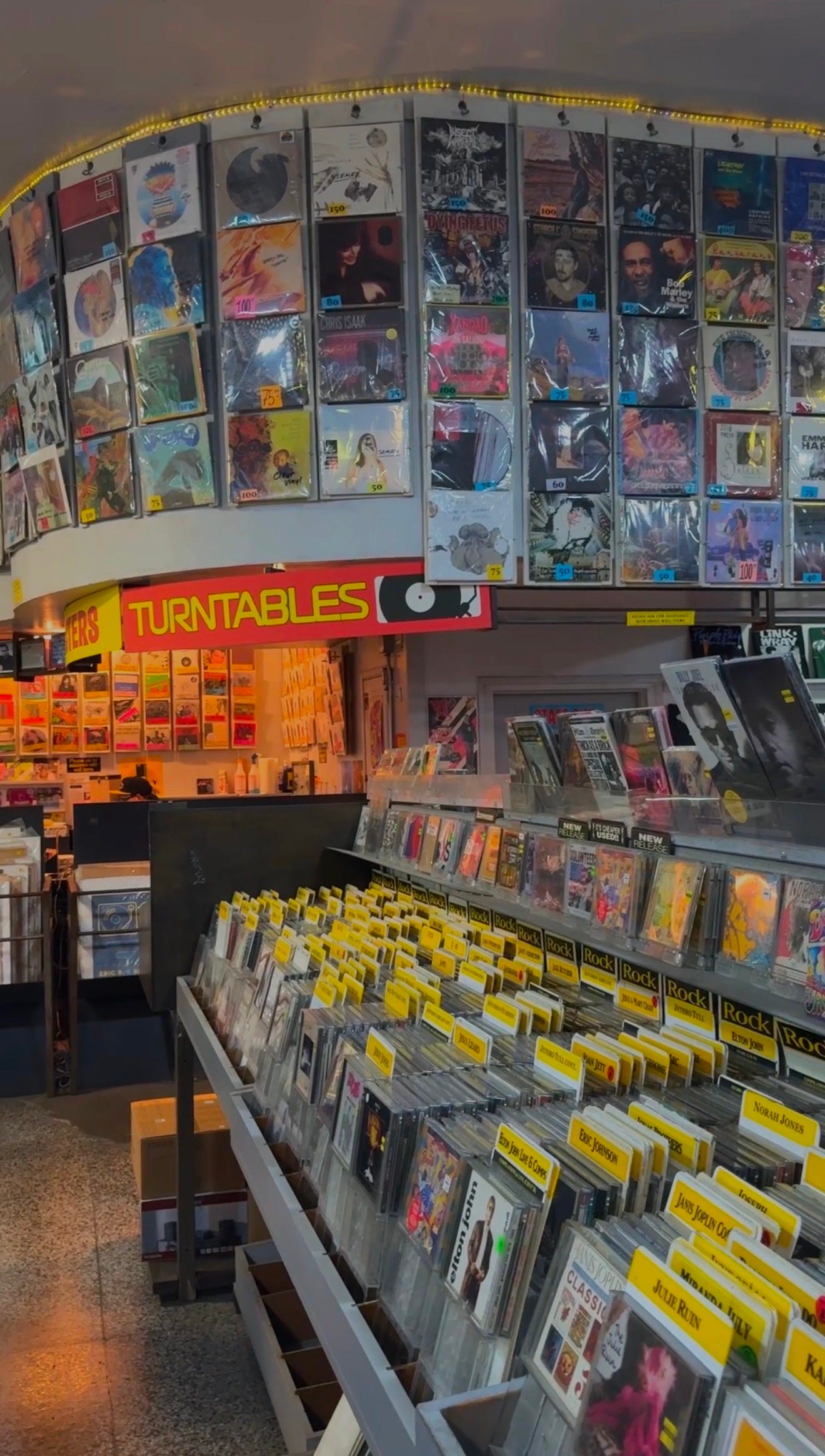
When RSD drops its official release list (usually a few weeks before the event), the internet loses its mind. Limited! Exclusive! Only 500 pressed! Cool. But here’s the thing: scarcity isn’t the same as quality. A badly mastered record pressed on bubble-gum pink vinyl is still a badly mastered record. Look past the novelty and ask yourself: would I want this if it came in plain black?
Pressing plant > everything
Here’s the nerdy stuff that actually matters. Not all records are created equal — where a record is physically pressed makes a huge difference in how it sounds. Plants like Quality Record Pressings (QRP), Pallas in Germany, or Record Industry in the Netherlands have reputations for clean, quiet pressings. If that info is listed on the release (check Discogs forums or r/vinyl in the weeks leading up to RSD), it’s a good sign someone cared about the product beyond the color.
Who mastered it?
This is the question most beginners skip — and it’s arguably the most important one. A great master from the original analog tapes, cut by someone like Kevin Gray or Bernie Grundman, can make a reissue sound incredible. A lazy digital transfer from a streaming file? You’re basically paying $40 for an MP3 you could’ve just... streamed.
Look for AAA (analog all the way through) in the descriptions. If the mastering info is suspiciously absent, that’s a red flag.
Is this actually hard to find otherwise?
Before you queue up, spend five minutes on Discogs. If an original pressing of the album is sitting there for $12 in VG+ condition, ask yourself why you’re about to pay $35 for a reissue just because it has a sticker on it. RSD shines brightest for genuinely out-of-print titles, first-time-on-vinyl releases, or records that routinely sell for way more than the RSD price.
The releases worth skipping (almost always)
Picture discs. They look incredible on a wall. They sound like a plastic bag.
Anything that’s been an RSD release three years in a row. That’s not a collectible, that’s a product.
Color variants of albums already available everywhere in black. You’re paying for aesthetics, not audio.
The move
Make your list weeks ahead. Prioritize by what you’d genuinely listen to, not what you think will flip well on Discogs (spoiler: most RSD releases don’t flip as well as people hope). Know your #1, your #2, and your “if there’s nothing else” pick.
And if you miss out? The used bins will survive. The hobby is long. There will be other records.
Happy hunting — and may your stylus stay clean and your pressing plant be German.